Affordable Smart Home Upgrades for Modern Living
Smart homes are no longer just a luxury for high-end tech enthusiasts. Today, even with a modest budget, you can transform your living space into a more convenient, secure, and energy-efficient environment. The best part is that many smart home upgrades are affordable, easy to install, and don’t require professional help or major renovations. With the right choices, you can gradually build a connected home that simplifies everyday life without overwhelming your wallet.
Below is a detailed guide to affordable smart home upgrades that actually make a difference in modern living.
A Smart Start: Understanding What “Smart Home” Really Means
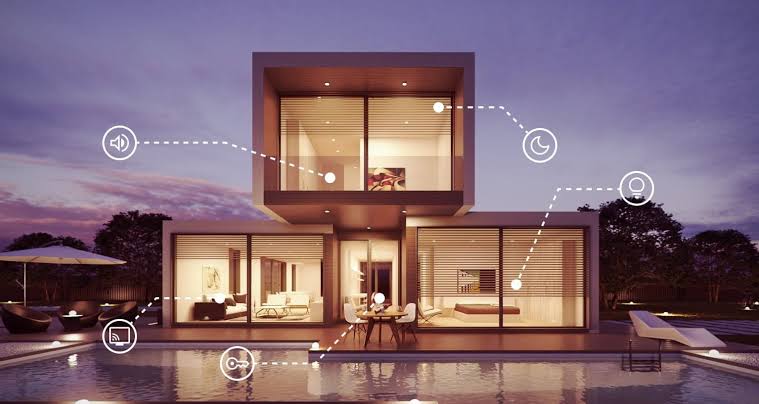
A smart home is essentially a network of devices that connect to the internet and can be controlled remotely through a smartphone, tablet, or voice assistant. These devices can automate tasks like turning lights on and off, adjusting room temperature, monitoring security, or even managing appliances.
You don’t need everything at once. The smartest approach is to start small—choose one or two upgrades that solve a real daily problem, then expand gradually.
Smart Lighting: The Easiest and Most Affordable Upgrade
Smart lighting is often the first step into home automation because it is simple, inexpensive, and instantly noticeable in everyday use. Smart bulbs allow you to control brightness, color, and schedules from your phone.
For example, you can set your lights to gradually brighten in the morning instead of waking up to a harsh alarm, or schedule them to turn off automatically when you leave home.
Brands like Philips Hue (premium) and more budget-friendly options like Xiaomi smart bulbs or TP-Link Kasa bulbs make it easy to start small. Many smart bulbs also work with voice assistants like Amazon Alexa or Google Assistant, allowing you to say things like “turn off the bedroom light” without touching a switch.
Even replacing just a few bulbs in key rooms can make your home feel noticeably more modern and efficient.
Smart Plugs: Turning Ordinary Devices Into Smart Ones
If you want maximum impact at minimum cost, smart plugs are one of the best investments you can make. These small adapters plug into your existing wall sockets and allow you to control any connected device remotely.
For example, you can connect a fan, lamp, coffee maker, or even a heater to a smart plug and turn it on or off from your phone. You can also set timers, which helps reduce electricity waste.
Imagine waking up to a freshly brewed cup of coffee without pressing a single button—just a scheduled smart plug handling everything.
Smart plugs are especially useful for homes that are not fully “smart-ready” yet. They bridge the gap between traditional appliances and modern automation without requiring expensive replacements.
Smart Speakers: The Control Center of Your Smart Home
A smart speaker acts as the brain of your smart home. It allows you to control devices using voice commands, set reminders, play music, check weather updates, and manage daily tasks.
Popular options include Amazon Echo devices powered by Alexa and Google Nest speakers powered by Google Assistant.
Once set up, you can connect your smart lights, plugs, and other devices to your speaker. From there, everything becomes hands-free. You might say, “Good night,” and your system can turn off all lights, lock smart locks, and adjust thermostats automatically.
Smart speakers are relatively affordable, and even one device can control your entire ecosystem.
Smart Thermostats: Comfort Meets Energy Savings
One of the most valuable upgrades for long-term savings is a smart thermostat. These devices learn your temperature preferences and adjust automatically based on your habits.
For example, if you usually lower the temperature at night, the thermostat will start doing it for you. If you leave home at a specific time every day, it can reduce heating or cooling while you’re away.
Systems like Google Nest Thermostat are designed to optimize energy use, helping you save on electricity or gas bills over time.
While smart thermostats may cost more upfront than other devices, they often pay for themselves through reduced energy consumption.
Smart Security Cameras: Affordable Peace of Mind
Home security has become much more accessible thanks to compact and affordable smart cameras. These devices let you monitor your home in real time from anywhere in the world using your phone.
You can place them at entry points, living rooms, or outdoor areas to keep an eye on activity. Most models also include motion detection, night vision, and alerts when unusual movement is detected.
Budget-friendly options from brands like Xiaomi, TP-Link, and Ring (Amazon’s ecosystem) provide solid performance without high installation costs.
The biggest advantage is peace of mind. Whether you’re at work or traveling, you can always check what’s happening at home instantly.
Smart Doorbells: Knowing Who’s at the Door
Smart doorbells are another affordable yet powerful upgrade. They allow you to see and speak with visitors at your door through your smartphone—even when you’re not at home.
If someone rings the doorbell, you receive a live video feed and can respond immediately. This is especially useful for deliveries or unexpected visitors.
Many smart doorbells also include motion detection, so you get alerts even if someone approaches your door without ringing.
When combined with smart cameras, they create a strong first layer of home security.
Smart Sensors: Small Devices with Big Impact
Smart sensors are often overlooked but extremely useful. These tiny devices can detect motion, open doors, water leaks, or even smoke.
For example:
- A door sensor can alert you when someone enters a room.
- A water leak sensor can warn you before a pipe causes damage.
- A motion sensor can trigger lights automatically when you enter a dark hallway.
These upgrades are very affordable and can prevent costly damage or improve safety in subtle but important ways.
Smart Hubs and Automation Systems
As your smart home grows, you may want a central hub to connect everything. A hub allows different devices to communicate with each other and run automated routines.
For instance:
- Lights turn on when you arrive home
- AC turns off when windows are open
- Music starts when you enter the kitchen in the morning
Platforms like Apple HomeKit (software ecosystem), Google Home, and Alexa routines make automation simple even for beginners.
You don’t need to build everything at once. Start with a few routines and expand as you become more comfortable.
Budget-Friendly Tips for Building a Smart Home
Building a smart home doesn’t mean spending a lot of money at once. Here are practical ways to stay within budget:
Start small: Begin with one room, not the entire house. A smart bulb or plug is enough to get started.
Mix brands carefully: Not all devices need to come from the same company, but make sure they are compatible with your chosen ecosystem.
Focus on energy-saving devices first: Smart thermostats and plugs often reduce bills, helping you recover costs over time.
Look for bundles or discounts: Many brands offer starter kits that are cheaper than buying individual devices.
Avoid unnecessary gadgets: Not every “smart” product adds real value. Focus on practicality, not novelty.
The Real Value of a Smart Home
At its core, a smart home is not about technology—it’s about convenience, efficiency, and peace of mind. The goal is to reduce daily friction: fewer small tasks, fewer worries, and more control over your environment.
Even small upgrades can make a noticeable difference. Turning off lights from your phone, checking your home while traveling, or waking up to a pre-warmed room might seem simple, but together they create a smoother lifestyle.
Over time, your smart home evolves with you. You can start with a single bulb today and gradually build a fully connected system that feels natural and effortless.
Final Thoughts
Affordable smart home upgrades are one of the most practical ways to modernize your living space without a major investment. With smart lighting, plugs, speakers, thermostats, and security devices, you can create a home that responds to your needs and simplifies your daily routine.
The key is to start small, stay consistent, and focus on real-life benefits rather than trends. A smart home doesn’t have to be expensive—it just has to be useful.