2026 Home Predictions: Why the Return to Organic Textures is Surprising
As we step into 2026, home design is taking an unexpected turn by embracing organic textures and natural materials. From solid wood king bed frames to handcrafted accent pieces, interiors are prioritizing tactile warmth and authenticity over synthetic finishes. This renewed focus on nature-inspired elements reflects a broader shift in how we experience our living spaces, merging comfort with elegance.
The Rise of Organic Materials in Modern Homes
In recent years, minimalism and sleek, polished surfaces dominated interior design. However, a shift toward organic textures is redefining how homes feel and look. Designers and homeowners are increasingly choosing natural woods, stone, and woven fibers to create spaces that are inviting, grounded, and visually rich. Organic textures bring depth and character to rooms, offering an atmosphere that feels both sophisticated and serene.
This resurgence is not just aesthetic. Organic materials also connect occupants with nature, which studies suggest can enhance wellbeing, reduce stress, and encourage awareness. Homes are evolving into spaces that are not just lived in but experienced through touch and sensory engagement.
Timeless Appeal and Versatility in Furniture
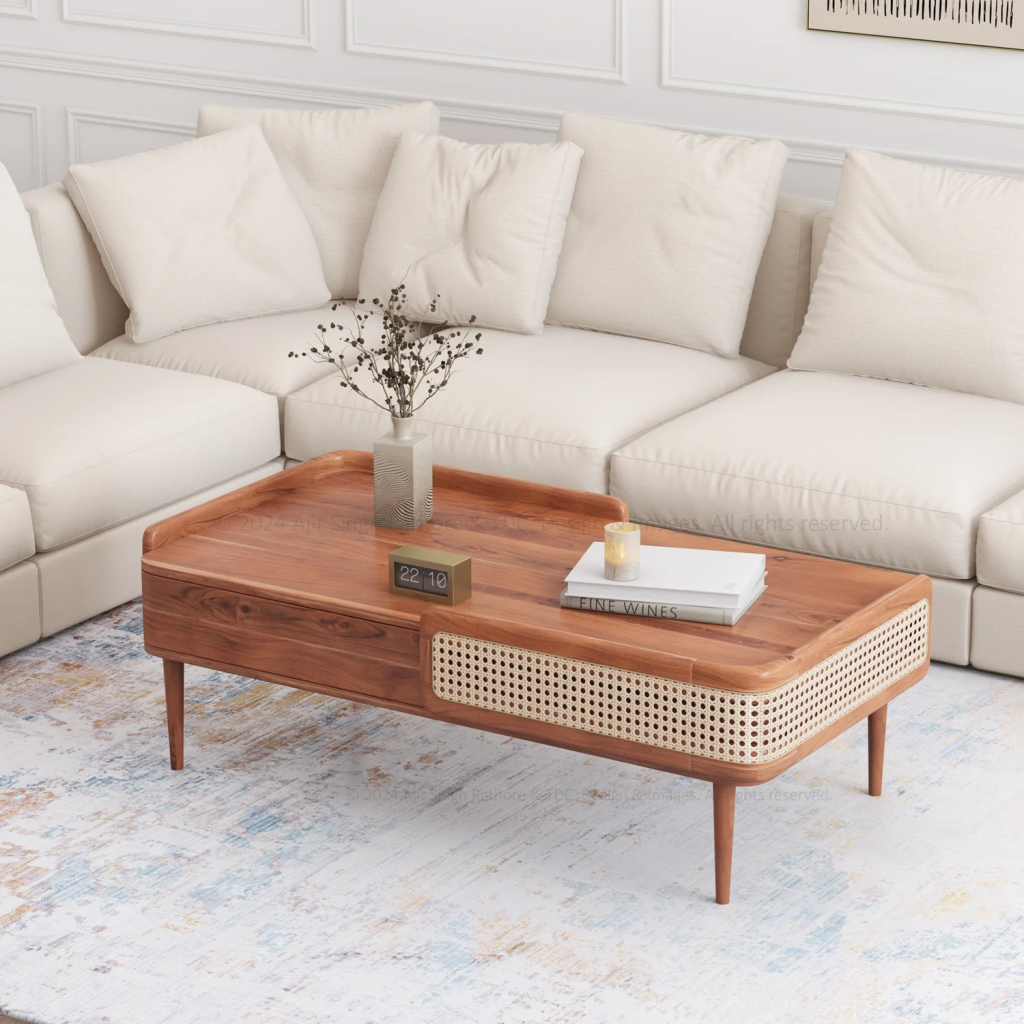
One of the most striking aspects of this organic trend is the renewed appreciation for natural wood furniture. Unlike mass-produced or laminated alternatives, quality wood ages gracefully, developing unique patterns and a patina that tells a story over time. Pieces like wooden coffee tables or intricately carved chairs offer a blend of functionality and natural beauty, making them perfect focal points in living rooms or bedrooms.
Each piece carries the character of the tree it came from. Knots, grains, and textures create visual interest that no synthetic material can replicate. This inherent uniqueness is a key factor driving the popularity of natural furnishings in 2026. Homes are increasingly featuring statement wooden pieces that balance utility with artistry, turning everyday furniture into enduring investments.
Blending Modern Design With Organic Textures
The challenge for contemporary interiors lies in blending clean, modern lines with the richness of natural textures. Designers are achieving this by incorporating wood, stone, and organic fabrics into minimalistic spaces. For example, a sleek, low-profile bed paired with a textured wooden nightstand can add warmth without disrupting a minimalist aesthetic. Similarly, pairing neutral-toned sofas with coffee tables in raw finishes elevates the living space with subtle sophistication.
Even mid-century and contemporary furniture styles are adapting to this trend. Designers are favoring muted, earthy finishes and handcrafted details over glossy, uniform surfaces. The result is a home that feels curated yet effortless, with tactile layers that invite touch and interaction.
Why Organic Textures Are Surprising in 2026
What makes this trend unexpected is how quickly natural textures are moving from niche, artisanal spaces into mainstream home design. Previously, organic finishes were often reserved for high-end or rustic interiors. Now, homeowners across all design spectrums are integrating these materials, embracing imperfection as a design strength rather than a flaw.
Another surprising element is the versatility of these materials. For example, a coffee table’s wood piece can serve as a centerpiece in both a minimalist living room and a cozy, bohemian space. Its organic appeal bridges contrasting design styles, proving that nature-inspired elements are not limited to a single aesthetic.
This shift also challenges the assumption that modern homes must favor synthetic or uniform materials for durability. Many organic materials, particularly solid woods, are remarkably resilient, aging beautifully while maintaining structural integrity. Homeowners are discovering that embracing texture does not compromise longevity or functionality.
Combining Comfort, Functionality, and Aesthetics
The 2026 trend toward organic textures emphasizes a balance between comfort, functionality, and beauty. Soft linens, woven rugs, and hand-finished wood furniture create spaces that are inviting and livable. The tactile experience of organic materials encourages a deeper connection with the home, turning everyday routines into sensory experiences.
Natural textures also enhance visual harmony. By introducing layers of wood, stone, and fiber, designers create depth and interest without relying on bold colors or heavy ornamentation. This subtle elegance allows the architecture and layout of a home to shine, while natural materials contribute warmth and personality.
Sustainability and Ethical Considerations
A significant factor behind this trend is sustainability. Consumers are increasingly conscious of the environmental impact of their choices, and natural materials often offer eco-friendly solutions. Responsibly sourced woods, reclaimed materials, and low-impact finishes are becoming integral to 2026 interior designs. These choices not only support sustainable forestry practices but also provide a more authentic, enduring quality in the home.
By embracing organic textures, homeowners are also supporting artisanal craftsmanship. Handmade furniture pieces reflect skill, dedication, and tradition. Investing in such items contributes to ethical practices while enhancing the home with timeless, unique character.
Featured Pieces and Inspirations
Two notable examples of this trend in action include statement furniture that combines organic texture with functionality:
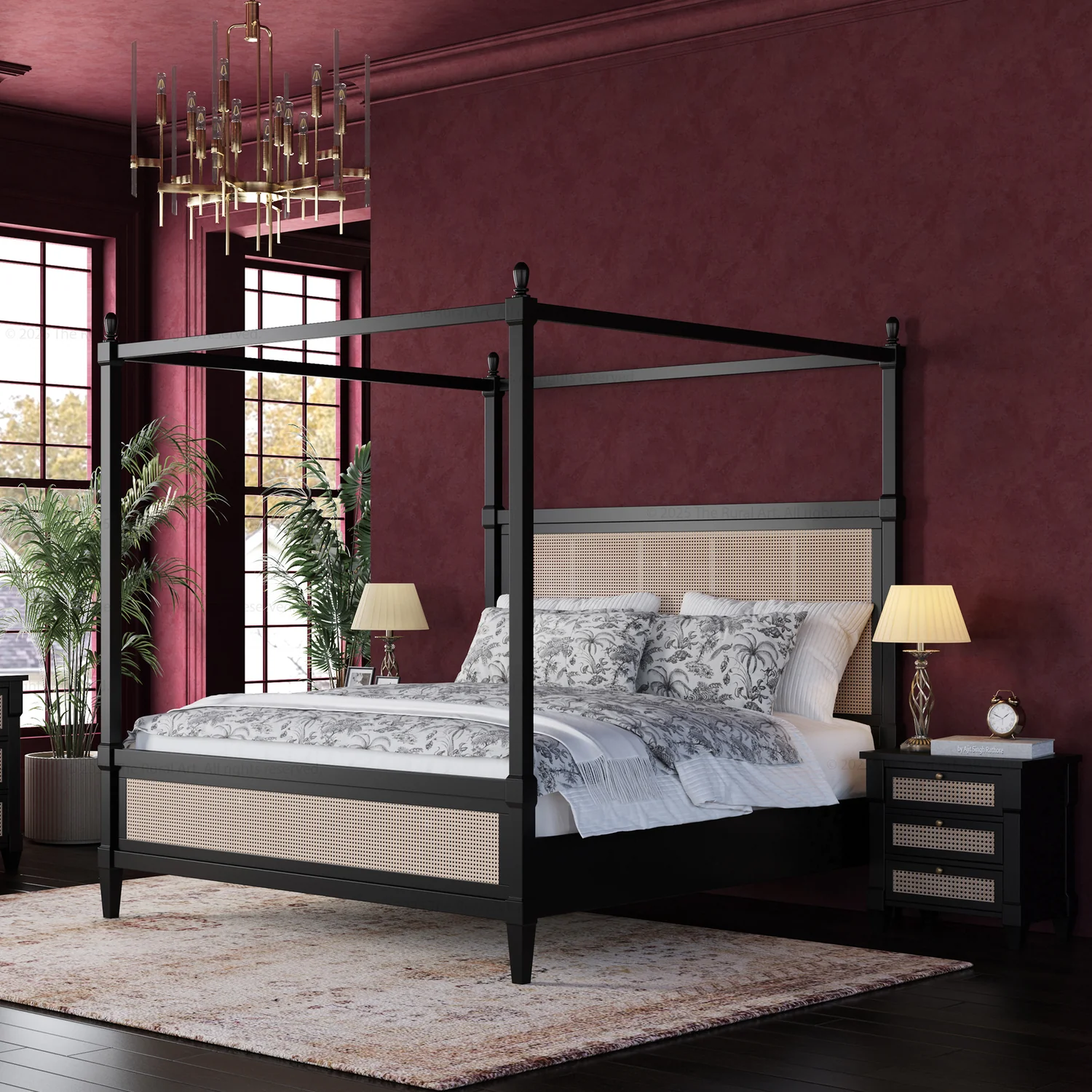
- Carmel Bed: Crafted from quality wood, this bed exemplifies durability and warmth. Its natural finish highlights wood grains while offering a comfortable, elegant foundation for any bedroom.
- Hollywood Floating Bed: This piece blends modern floating design with hand-finished wood textures, adding a tactile layer to contemporary interiors. Its understated elegance makes it a centerpiece without cluttering the space.
By integrating these kinds of furniture, homes achieve a balance of modern sophistication and natural richness. Organic textures are no longer merely decorative; they define the essence of living spaces in 2026.
How to Incorporate Organic Textures in Your Home
For homeowners seeking to embrace this trend, here are some simple suggestions:
- Start with key furniture pieces, such as a solid wood king bed frame or a handcrafted coffee table. These set the tone for natural warmth.
- Layer textures with soft rugs, woven baskets, and linen throws to complement wood surfaces.
- Combine neutral color palettes with earthy tones to highlight material richness.
- Mix finishes and grains subtly, allowing individual pieces to stand out without creating visual clutter.
- Consider sustainability when selecting materials, favoring pieces that are responsibly sourced and long-lasting.
By layering organic textures, interiors gain a sense of cohesion, warmth, and personality, elevating both modern and traditional design styles.
Conclusion
The return to organic textures in 2026 highlights a surprising yet welcome shift in home design. Homes are moving toward environments that prioritize sensory experience, natural beauty, and sustainable practices. Incorporating well-designed wood furniture, textured textiles, and layered materials allows interiors to feel inviting, elegant, and timeless.
Homeowners looking to align with these trends should consider furniture that balances functionality with character and supports eco-conscious choices. Proper selections, attention to material quality, and a focus on texture can elevate spaces into harmonious, welcoming retreats.
The Rural Art offers inspiration for those seeking to explore these organic, tactile elements in their own homes while keeping the design authentic and enduring.
Keep an eye for more latest news & updates on Lyrics Baazaar!