Lighting Improvements That Completely Change a Room
Lighting is one of those things people often underestimate until they experience a space that gets it right. You can have expensive furniture, fresh paint, and beautiful décor, but if the lighting is poor, the entire room can still feel flat, cramped, or uncomfortable. On the other hand, even a simple room can feel luxurious, warm, and thoughtfully designed when the lighting is done well.
The truth is that lighting doesn’t just help you see better—it changes mood, perception of space, color accuracy, and even how clean or modern a room feels. A few strategic improvements can completely transform the atmosphere of your home without requiring a full renovation. Let’s walk through the most impactful lighting upgrades that genuinely change how a room looks and feels.
1. Layered Lighting Instead of a Single Source
One of the biggest mistakes in home lighting is relying on a single ceiling bulb or central fixture. This creates harsh shadows, uneven brightness, and a dull, “flat” appearance. Professional interior designers almost never depend on just one light source.
Layered lighting means combining three types of lighting in one space:
- Ambient lighting (general illumination)
- Task lighting (focused light for activities)
- Accent lighting (decorative or mood-enhancing light)
When these layers work together, a room suddenly feels balanced and intentional. For example, in a living room, a ceiling light provides general brightness, a floor lamp helps with reading, and small LED strips or wall lights highlight artwork or architectural details.
This approach removes dark corners and adds depth, making the room feel larger and more inviting.
2. Switching to Warm Light for Comfort
Light color temperature has a major psychological effect. Many homes still use overly cool or white lighting that feels clinical and harsh, similar to office lighting. While cool light can be useful in workspaces, it often makes living areas feel uncomfortable.
Warm lighting, usually in the range of 2700K to 3000K, creates a soft, cozy atmosphere that mimics sunset or candlelight. This type of lighting makes skin tones look better, softens furniture edges, and helps reduce visual fatigue.
In bedrooms and living rooms especially, switching from cool white bulbs to warm white can instantly change the emotional feel of the space. The room becomes more relaxed, intimate, and welcoming without any physical redesign.
3. Adding Dimmers for Full Control
One of the simplest yet most powerful upgrades you can make is installing dimmer switches. Brightness is not something that should stay fixed throughout the day. Morning, afternoon, and evening all call for different lighting moods.
With dimmers, a single room can serve multiple purposes:
- Bright light for cleaning or working
- Medium light for daily activities
- Soft light for relaxation or movie nights
This flexibility makes a room far more functional. It also extends the usefulness of your existing lighting fixtures without needing to replace them. In many cases, dimmers make people feel like they have upgraded their entire lighting system, even though it’s just a small electrical change.
4. Using Floor Lamps to Fix Dark Corners
Many rooms suffer from uneven lighting, especially in corners that ceiling lights fail to reach. These dark areas make a room feel smaller and less finished.
A well-placed floor lamp can solve this instantly. Tall lamps with upward-facing light help bounce illumination off the ceiling, spreading it more evenly. Arc lamps can also extend light over sofas or reading areas without needing installation work.
Beyond functionality, floor lamps also add a decorative element. They introduce height variation in a room’s design, which makes the space feel more dynamic and less rigid.
5. Wall Sconces for a Designer Look
Wall sconces are often associated with hotels and high-end interiors because they create soft, layered lighting that feels intentional. Instead of lighting coming only from above, sconces add light at eye level, which reduces harsh shadows and improves ambiance.
They are especially useful in hallways, bedrooms, and living rooms. In hallways, sconces can transform a plain corridor into a visually interesting passage. In bedrooms, they free up bedside table space while offering soft lighting perfect for reading or winding down.
Even simple, affordable sconces can make a home feel more refined and thoughtfully designed.
6. LED Strip Lighting for Modern Atmosphere
LED strip lights have become extremely popular in modern interior design because they are versatile, affordable, and easy to install. When used correctly, they can dramatically change the feel of a space.
Some effective uses include:
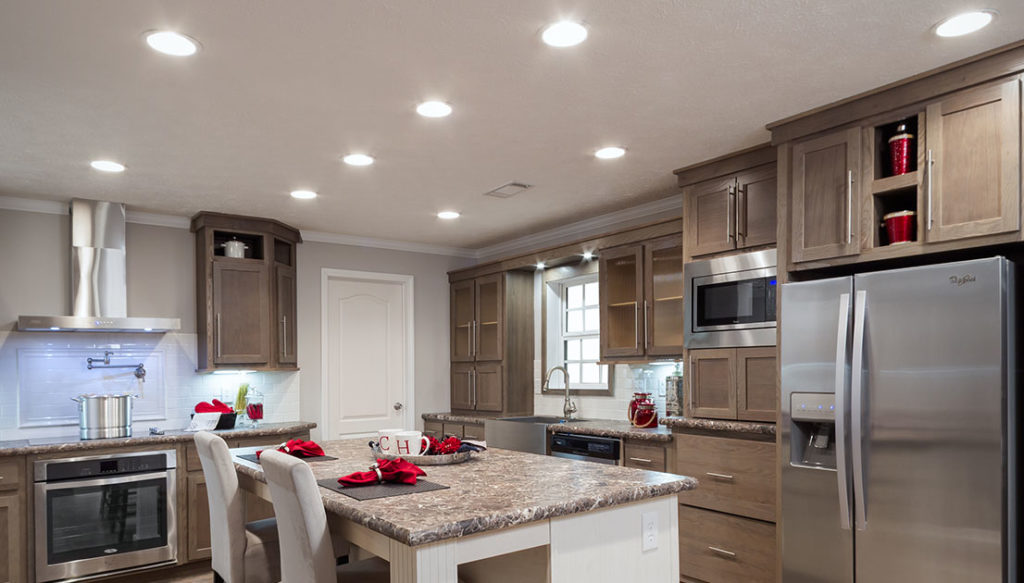
- Under kitchen cabinets for a floating effect
- Behind TVs to reduce eye strain and create ambiance
- Under beds or furniture for a subtle glow
- Along ceiling edges for a soft indirect light effect
The key is subtlety. Strip lighting should enhance a room, not overpower it. When hidden properly, it creates a floating, futuristic look that adds depth and sophistication.
7. Highlighting Key Features with Accent Lighting
Accent lighting is what gives a room personality. It draws attention to specific elements like artwork, plants, shelves, or textured walls.
For example, a small spotlight aimed at a painting can turn it into a focal point. Similarly, lighting a plant from below can create dramatic shadows that add visual interest. Even bookshelves become more attractive when softly illuminated.
This type of lighting makes a room feel curated rather than randomly arranged. It tells the eye where to look and adds layers of storytelling to the space.
8. Upgrading to Smart Lighting Systems
Smart lighting has changed the way people interact with their homes. With smart bulbs or systems, you can control brightness, color temperature, and even color tones through your phone or voice assistant.
This level of control allows you to instantly shift the mood of a room. You can set bright lighting during the day, warm tones in the evening, and even colorful lighting for entertainment or gatherings.
Another advantage is scheduling. Lights can automatically adjust based on time of day, helping maintain natural circadian rhythms and improving comfort.
While smart lighting may seem like a luxury, it is becoming increasingly accessible and can significantly enhance everyday living.
9. Maximizing Natural Light
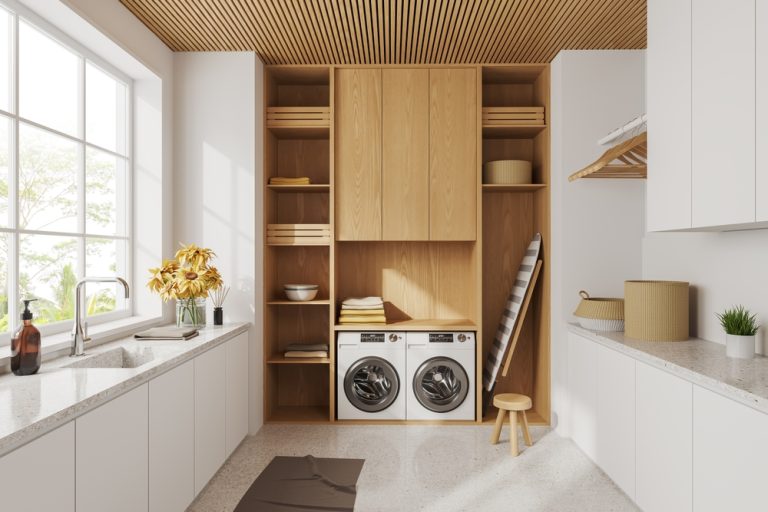
Artificial lighting is important, but natural light remains the most powerful and desirable source. Improving how natural light enters and spreads through a room can dramatically change its atmosphere.
Simple changes like using lighter curtains, placing mirrors opposite windows, or avoiding heavy furniture near light sources can make a big difference. Mirrors in particular are extremely effective because they reflect daylight deeper into the room, making it appear larger and brighter.
A well-lit daytime space also reduces the need for artificial lighting, saving energy and creating a healthier indoor environment.
10. Choosing the Right Fixtures as Design Elements
Lighting fixtures are not just functional—they are also design statements. A chandelier, pendant light, or modern sculptural fixture can completely define the personality of a room.
For instance, a minimalist pendant light can make a kitchen feel sleek and modern, while a classic chandelier can add elegance to a dining area. Even simple rooms can feel upgraded when the fixture itself becomes a focal point.
The key is choosing fixtures that match the room’s style while still providing proper illumination. A beautiful light fixture that doesn’t function well defeats the purpose.
11. Eliminating Harsh Shadows
Poor lighting often creates unwanted shadows that make rooms feel smaller or cluttered. This usually happens when light comes from only one direction.
By adding multiple light sources at different heights—ceiling, wall, and floor—you can eliminate harsh contrasts. The result is a more evenly lit space that feels softer and more open.
This is especially important in bathrooms and kitchens, where shadows can interfere with daily tasks like grooming or cooking.
12. Creating Mood Zones Within a Room
Modern homes often use open layouts, which means one room serves multiple purposes. Lighting can help define these zones without physical walls.
For example, a bright task light over a desk defines a workspace, while softer lighting near a sofa defines a relaxation zone. Pendant lights over a dining table clearly separate eating space from living areas.
This zoning effect makes large rooms feel organized and functional instead of chaotic or undefined.
Final Thoughts
Lighting is one of the most powerful tools in interior design, yet it is often overlooked. The right lighting doesn’t just brighten a room—it transforms how it feels, how it functions, and even how large it appears.
From layered lighting and warm tones to smart systems and accent features, each improvement adds another layer of depth and comfort. The best part is that most of these changes don’t require major renovations. Even small upgrades can create a dramatic difference.
A well-lit room feels more welcoming, more modern, and more alive. And once you experience properly designed lighting, it becomes clear that it is not just a detail—it is the foundation of how a space is truly experienced.